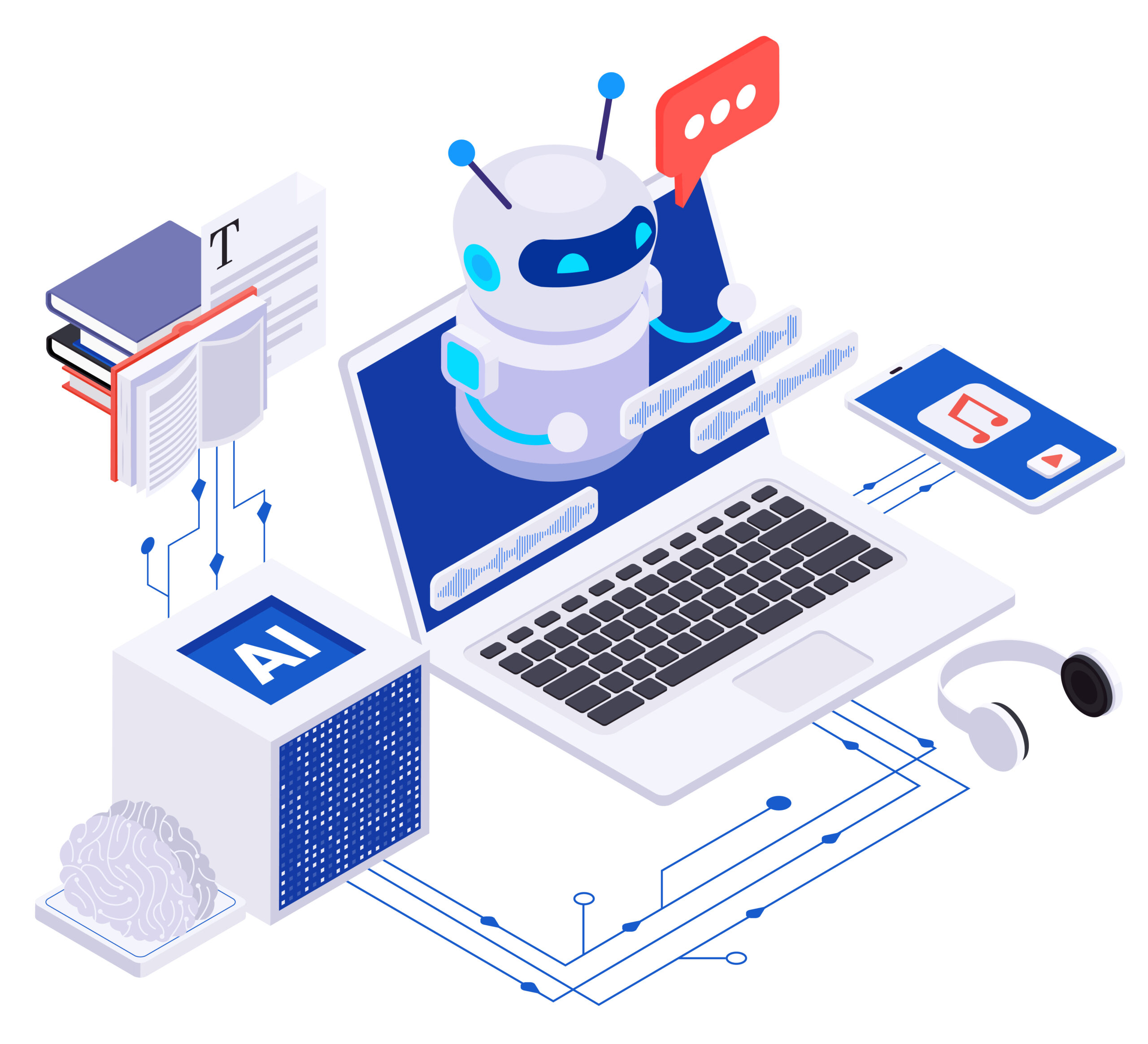
A small clinic on a busy Monday. The waiting room is full. Phones keep ringing. The lead nurse is juggling patient notes, reminders, and a broken printer. An assistant opens a simple tool that routes calls, drafts follow ups, and flags the two patients who actually need to be seen first. The room gets quieter. People feel looked after. No magic. Just fewer fires.
That is applied AI. A helpful teammate.
What applied AI means
Applied AI is the practice of putting smart tools exactly where the work happens. It reads context, suggests next steps, and handles repeat tasks. It is not about fancy demos. It is about smoother mornings for real teams.
Think of it like power steering for your business. You still drive. Turning just takes less effort.
Why this moment
- Most workflows are now digital. Data is finally in one place or close to it.
- Interfaces are friendlier. You can talk or type in plain language and get useful help.
- The cost of trying ideas has dropped. Small pilots are possible without tearing up your stack.
When those pieces line up, change gets practical.
What changes when you apply AI
From searching to finding
Instead of digging through six tabs, you ask a single question. The right detail appears with a source you can trust.
From guesswork to evidence
Plans get based on patterns in your own history. Not just the loudest opinion in the room.
From blanket rules to personal help
The same system can suggest different next steps for two different customers, and both feel right.
From busywork to real work
Time shifts from moving data around to serving people and building new things.
Snapshots across industries
Retail
Store teams get a daily list of shelves to fix. Fewer stockouts. Less running around. Happier shoppers.
Healthcare
Triage assistants nudge staff to check what matters first. Follow ups are drafted with the right tone and next steps. No one forgets a critical lab result.
Finance
Reconciliations that used to take three hours now take forty minutes. The tool highlights only the transactions that truly need eyes on them.
Logistics
Routes update when traffic changes. Drivers capture proof of delivery with one tap. Fewer disputes. Lower fuel spend.
Agriculture
Irrigation runs only when soil moisture drops. Yields improve while water usage falls.
Education
Teachers get lesson outlines tuned to the class level. Feedback on essays becomes faster and more consistent.
None of these require a total rebuild. They are focused upgrades that compound.
How applied AI pays for itself
Use a plain scorecard.
- Time saved per task or shift
- Mistakes avoided or rework reduced
- Revenue recovered or unlocked
- Experience improved for customers and staff
Put numbers to each one. Count the cost of software, setup, and training. If the value gained is clearly larger than the total cost, keep going. If not, adjust or stop. Either way you win because you learn quickly.
The playbook that works
Start small
Pick one painful workflow that repeats daily. Short loop. Clear owner.
Measure before and after
Write down real times and error rates for a week. Run the pilot. Measure again with the same counters.
Keep humans in the loop
People approve, edit, and override. The tool learns from that feedback.
Integrate lightly
Begin at the edges with APIs or exports you already have. Avoid heavy rewrites early.
Design for trust
Always show where facts come from. Add simple guardrails for privacy and safety.
Plan for upkeep
Work changes. Your tool should update with new data, new policies, and new products.
Common traps and how to avoid them
Vanity projects
Big stage, small impact. Fix it by tying every project to one metric that an owner truly cares about.
Cost creep
Tiny experiments that turn into expensive always-on systems. Fix it with usage caps and monthly reviews.
Data drift
Models trained on last year’s patterns start to miss the mark. Fix it with quarterly checks and fresh samples.
Change fatigue
Too many tools, too little training. Fix it with simple onboarding and a clear help channel.
The deeper win
The most valuable effect is cultural. Teams learn to ask better questions. They capture cleaner data at the source. They trust the numbers because they helped design the checks. Over months this creates a calm, consistent rhythm. Fires get rarer. Planning gets honest.
Getting started this month
- Choose one workflow that annoys everyone.
- Set a baseline for one week. Time, errors, and outcomes.
- Try a lightweight tool with a small group for two to four weeks.
- Compare. Keep what helps. Drop what does not.
- Share the results with the whole team and choose the next workflow.
Simple. Repeatable. Boring in the best way.
Looking ahead
The next wave of tech will belong to teams that apply AI to everyday work with care. Not louder promises but steadier results. Not hype but helpful tools that give people their time back.
If the future is a long road, applied AI is the power steering and cruise control. You are still driving. You just arrive less tired and more on time.
Leave a Reply